RIL Admin
-
RIL Newsletter #2025-11
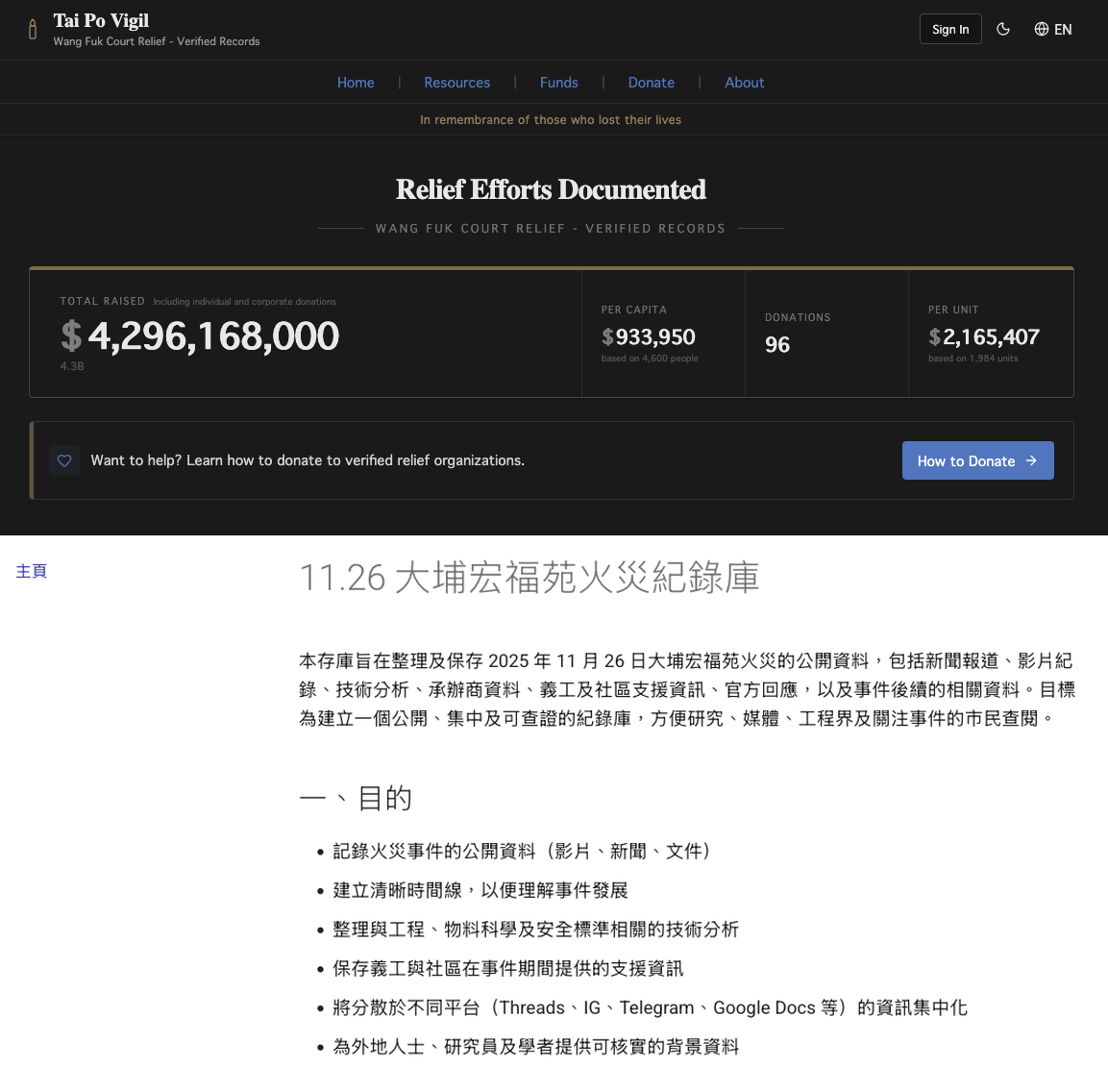
Welcome to Resilience Innovation Lab (RIL). Before going into this month’s newsletter, we would like to offer our heartfelt condolences to the families and loved ones affected by last month’s Wang Fuk Court fire in Tai Po District, Hong Kong. Our thoughts are with the community during this time of sorrow and loss. In this newsletter, we will share updates on the community’s efforts to document the Wang Fuk Court fire and the government’s response in Hong Kong, along with RIL’s Christmas good-read list for 2025. As we approach the Christmas season and the year’s end, RIL extends its wishes…
-
RIL Newsletter #2025-10
Welcome to Resilience Innovation Lab (RIL) ! In this newsletter, we will share our latest updates and the latest development of information access in Hong Kong, along with opportunities from the global community on archives, memory activism, and technology-facilitated human rights initiatives. International Archives Congress 2025 @Barcelona In October 2025, RIL attended the International Archives Congress in Barcelona. Every four years, the International Council on Archives (ICA) hosts its Congress — a major gathering that brings together members of the archival community from around the world. The event served as a dynamic platform for professionals, academics, and practitioners to exchange ideas,…
-

RIL Newsletter #2025-9
Welcome to Resilience Innovation Lab (RIL) ! We hope you had an enjoyable summer 🌞. After a two-month break, we are delighted to share our latest updates in this newsletter, along with new opportunities from the global community on archives, memory activism, and technology-facilitated human rights initiatives. Global Gathering 2025 @Portugal In September 2025, RIL attended the Global Gathering (GG) in Portugal. GG brought together digital rights defenders from over 144 countries for three days of collaboration building, knowledge sharing, brainstorming, and rejuvenation. These were individuals working on the most pressing challenges arising at the intersection of human rights, social justice and…
-
RIL Newsletter #2025-7
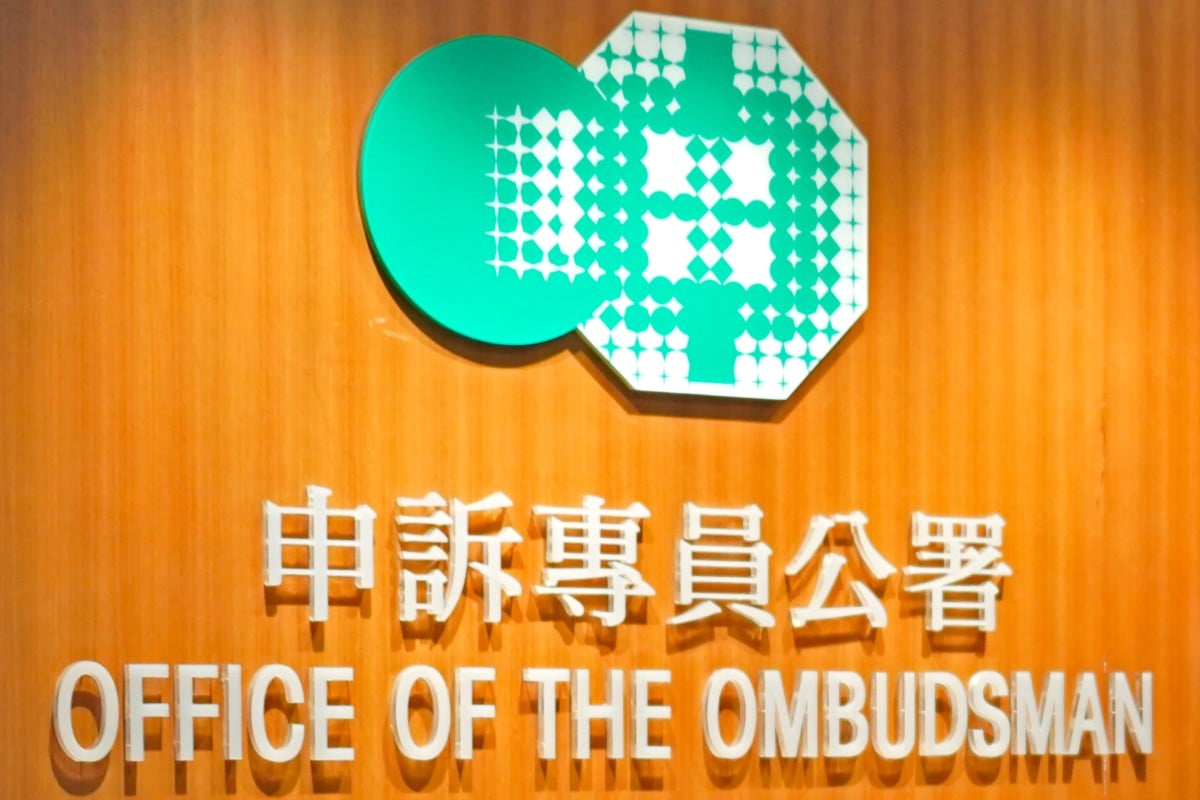
Welcome to Resilience Innovation Lab (RIL) ! In this newsletter, we will discuss the latest development of information access in Hong Kong, and share our latest reports and events in London, UK. Increasing Constraints on the Information Environment in Hong Kong The information environment in Hong Kong has been further tightened in light of recent developments. The Ombudsman, traditionally regarded as a government watchdog, has removed decades’ worth of annual and investigative reports, along with other documents dated prior to 2023, from its website. The stated rationale for this action is the need for more effective website management. As a…
-
Increasing Constraints on the Information Environment in Hong Kong
The information environment in Hong Kong has been further tightened in light of recent developments. The Ombudsman, traditionally regarded as a government watchdog, has removed decades’ worth of annual and investigative reports, along with other documents dated prior to 2023, from its website. The stated rationale for this action is the need for more effective website management. As a result, the publicly accessible archive of the Ombudsman’s reports has been reduced from the previous ten years to merely three. Access to reports predating 2023 is now restricted and only available upon written request. Lawmakers from the “patriots-only” legislature have criticised…
-
Berkeley Protocol – Archival Activism and Advocacy
The Berkeley Protocol on Digital Open Source Investigations (The Protocol) is a pioneering initiative aimed at standardising the use of open-source information in investigations into human rights abuses and war crimes. Developed by the Human Rights Center at the University of California, Berkeley, it represents a significant step forward in the ethical and legal use of open-source intelligence (OSINT), including content collected from social media posts, videos, and other publicly accessible online sources. This framework is essential for helping investigators collect, verify, and present evidence in a way that meets international legal standards—an essential process for holding perpetrators of human…