

Blog

  • Berkeley Protocol – Archival Activism and Advocacy

    Berkeley Protocol – Archival Activism and Advocacy

    The Berkeley Protocol on Digital Open Source Investigations (The Protocol) is a pioneering initiative aimed at standardising the use of open-source information in investigations into human rights abuses and war crimes. Developed by the Human Rights Center at the University of California, Berkeley, it represents a significant step forward in the ethical and legal use of open-source intelligence (OSINT), including content collected from social media posts, videos, and other publicly accessible online sources. This framework is essential for helping investigators collect, verify, and present evidence in a way that meets international legal standards—an essential process for holding perpetrators of human rights violations accountable.

    The Protocol addresses the challenges and complexities of verifying visual content—such as photographs and videos—to ensure authenticity and reliability. In crisis situations, digital evidence captured by ordinary citizens on smartphones can be highly impactful—provided it is properly verified. The Protocol outlines procedures for confirming the source, location, and timing of such content, ensuring it can be effectively used in legal proceedings. Methods such as geolocation and chronolocation help prevent the spread of misinformation and strengthen the credibility of evidence used in human rights investigations.

    Blockchain technology has the potential to complement the Berkeley Protocol by offering a secure and tamper-proof platform for archiving crucial open-source data. In the context of archival activism, blockchain can be used to safeguard sensitive information collected during human rights investigations. Its decentralised nature ensures that once data is recorded, it cannot be altered or deleted without consensus—preserving the integrity of evidence. This is particularly valuable in documenting war crimes or human rights abuses, where the risk of evidence being tampered with or destroyed by malicious actors is high.

    The goal of archival activism is to preserve vital information that might otherwise be lost or suppressed. Blockchain offers a powerful solution to this challenge. By storing open-source evidence on blockchain networks, activists and investigators can ensure that information remains accessible and unaltered—even in the face of efforts by authoritarian regimes or other actors to suppress it. This decentralised archiving approach aligns with the principles of the Berkeley Protocol, which emphasises reliability and transparency in the collection and use of open-source data.

    The use of blockchain in human rights investigations also fosters greater collaboration among activists, legal professionals, and researchers. The technology’s transparency and decentralisation enable multiple parties to access and verify evidence without requiring a central authority, enhancing trust and cooperation in the investigative process. This is particularly significant in international contexts, where organisations may collaborate to document and prosecute human rights violations. By offering a shared, tamper-proof evidence ledger, blockchain enhances the credibility of collected information and supports the aims of the Protocol.

    Moreover, blockchain can help address a major challenge identified by the Protocol: the fleeting nature of digital content. Social media platforms often remove content deemed too violent or in violation of policies, risking the loss of critical evidence. By archiving such material on the blockchain, investigators can ensure that vital information is preserved even after removal from online platforms. This helps maintain a complete record of events and ensures the voices of those affected by human rights violations are not silenced.

    The Protocol also highlights ethical considerations in the collection and use of open-source data. Blockchain’s inherent transparency can address some of these concerns by providing a clear chain of custody for digital evidence. This means that the origin and handling of each piece of evidence can be traced, ensuring it has not been tampered with and that its use adheres to ethical standards. Such accountability is crucial in high-risk human rights investigations, where the consequences of using unreliable evidence can be severe.

    Beyond archiving and verification, blockchain also has a role to play in human rights advocacy, drawing public attention to abuses. By creating a permanent and publicly accessible record of evidence, blockchain can amplify the stories of victims and raise international awareness of ongoing crises. This aligns with the goals of the Protocol—not only to support legal accountability but also to increase public recognition of human rights violations and promote social justice. Blockchain platforms can be used to share verified evidence with the public, journalists, and advocacy organisations, ensuring that truth is not buried and that responsible parties are held accountable.

    The integration of the Protocol’s open-source investigation guidelines with blockchain’s secure archiving and transparency capabilities creates a powerful toolset for safeguarding open-source data and supporting human rights advocacy. By ensuring that evidence is both credible and accessible, this approach strengthens the case against violators and supports efforts to seek justice for victims. In this context, blockchain enhances the integrity of evidence and empowers activists and investigators to continue their work in the face of adversity.

    In conclusion, the Protocol provides a much-needed framework for the ethical and effective use of open-source information in human rights investigations. By incorporating blockchain technology into this process, archival activists can ensure that key evidence is preserved, protected, and used to promote accountability and justice. This innovative approach to archival activism holds the potential to transform the field of human rights investigation, offering new tools and methodologies for documenting abuses and advocating for change.

    Read more: Web3-backed Digital Archiving: User Guide For Beginners (Chinese Only)

    檔案行動主義與倡導 -《柏克萊數位開源調查協議》

    《柏克萊數位開源調查協議》 (The Berkeley Protocol on Digital Open Source Investigation) 是一項開創性的倡議,旨在規範在調查人權侵害和戰爭罪行中使用開源信息。該協議由加州大學柏克萊分校人權中心制定,代表了在道德和法律上使用開源情報(OSINT)的重大進步,這些情報包括從社交媒體帖子、視頻和其他公開可訪問的在線內容中收集的信息。這一框架對於幫助調查人員以符合國際法律標準的方式收集、驗證和呈現證據至關重要,這對於追究人權侵害加害者的責任至關重要。

    《柏克萊協議》針對驗證視覺內容(如照片和視頻)的挑戰和複雜性,以確保其真實性和可靠性。在危機事件中,普通公民使用智能手機記錄的數碼證據可能具有很大的影響力,但前提是它們得到了適當的驗證。該協議制定了驗證此類內容的來源、位置和時間的程序,確保其能夠在法律程序中有效使用。這一驗證過程,包括地理定位和時間定位等方法,有助於防止錯誤信息的傳播,並加強人權調查中使用的證據的可信度。

    區塊鏈技術有可能通過提供一個安全且不可更改的平台來補充《柏克萊協議》,用於存檔重要的開源數據。在檔案行動主義的背景下,可以利用區塊鏈來保護在人權調查中收集的敏感信息。區塊鏈的去中心化性質確保一旦數據被記錄,就不能在未經共識的情況下被更改或刪除,這對於維護證據的完整性至關重要。這在記錄戰爭罪行或人權侵害時尤為有價值,因為惡意行為者篡改或刪除證據的風險很高。

    檔案行動主義的目標是保存那些可能會丟失或被壓制的重要信息,而區塊鏈技術為這一挑戰提供了強大的解決方案。通過將開源證據存儲在區塊鏈上,活動家和調查人員可以確保這些信息在面對試圖壓制犯罪證據的威權政權或其他實體時保持可訪問且未被篡改。這種去中心化的存檔方式符合《柏克萊協議》的原則,強調在收集和使用開源數據時的可靠性和透明性。

    在人權調查中使用區塊鏈技術還促進了行動者、法律專業人士和研究人員之間更大的合作。區塊鏈的透明和去中心化特性允許多方在無需中央權威的情況下訪問和驗證證據,從而促進調查過程中的信任與合作。這在國際背景下尤為重要,因為不同的組織可能會共同努力記錄和起訴人權侵害行為。通過提供一個共享的、防篡改的證據分類帳,區塊鏈可以增強所收集信息的可信度,並支持《柏克萊協議》的目標。

    此外,區塊鏈可以幫助解決《柏克萊協議》所指出的一個主要挑戰:電子信息的短暫性。社交媒體公司經常會刪除被認為內容過於暴力或違反其政策的內容,這可能導致寶貴證據的丟失。通過將此類內容存檔在區塊鏈上,調查人員可以確保重要信息即使在社交媒體平台上被刪除後仍然得到保存。這不僅有助於保持對事件的全面記錄,還確保那些受到人權侵害的人們的聲音不會被消音。

    《柏克萊協議》還強調在收集和使用開源數據過程中的倫理考量。區塊鏈技術具有內在的透明性,能夠通過提供電子證據的清晰保管鏈來解決一些這樣的倫理問題。這意味著每個證據的來源和處理過程都可以被追蹤,確保其未被篡改,並且其使用符合倫理準則。這種級別的問責在人權調查中至關重要,因為風險極高,使用不可靠證據的後果可能非常嚴重。

    除了在存檔和驗證中的作用外,區塊鏈還可以在倡導人權方面發揮作用,吸引公眾對人權侵害行為的關注。通過創建永久且公開可訪問的證據記錄,區塊鏈可以幫助放大受害者的故事,並將國際關注引向持續的危機。這與《柏克萊協議》的目標一致,不僅支持法律問責,還提高人們對人權侵害的認識,並促進社會正義。由於區塊鏈的平台可以用於與公眾、記者和倡導組織分享經過驗證的證據,確保真相不被隱瞞,並讓那些負有責任的人受到追究。

    《柏克萊協議》的開源調查指南與區塊鏈在安全存檔和透明性方面的能力相結合,創造了一種強有力的工具來保護開源數據並支持人權倡導。通過確保證據既可靠又可訪問,這一方法可以幫助對人權侵害者建立更有力的案件,並支持為受害者爭取正義的努力。在這一背景下使用區塊鏈不僅提高了證據的完整性,還使行動者和調查人員能夠在面對挑戰時繼續他們的工作。

    總之,《柏克萊開源調查協議》為在人權調查中具道德且有效地使用開源信息提供了一個急需的框架。通過將區塊鏈技術整合到這一過程中,檔案行動者可以確保關鍵證據得到保存、保護並用於促進問責和正義。這種創新的檔案行動主義方法有可能改變人權調查領域,為記錄侵害行為和倡導變革提供新的工具和方法。
    閱讀更多:《「無大台」式資料記錄:Web3檔案保存入門手冊》

  • Archival Activism and Web3

    Archival Activism and Web3

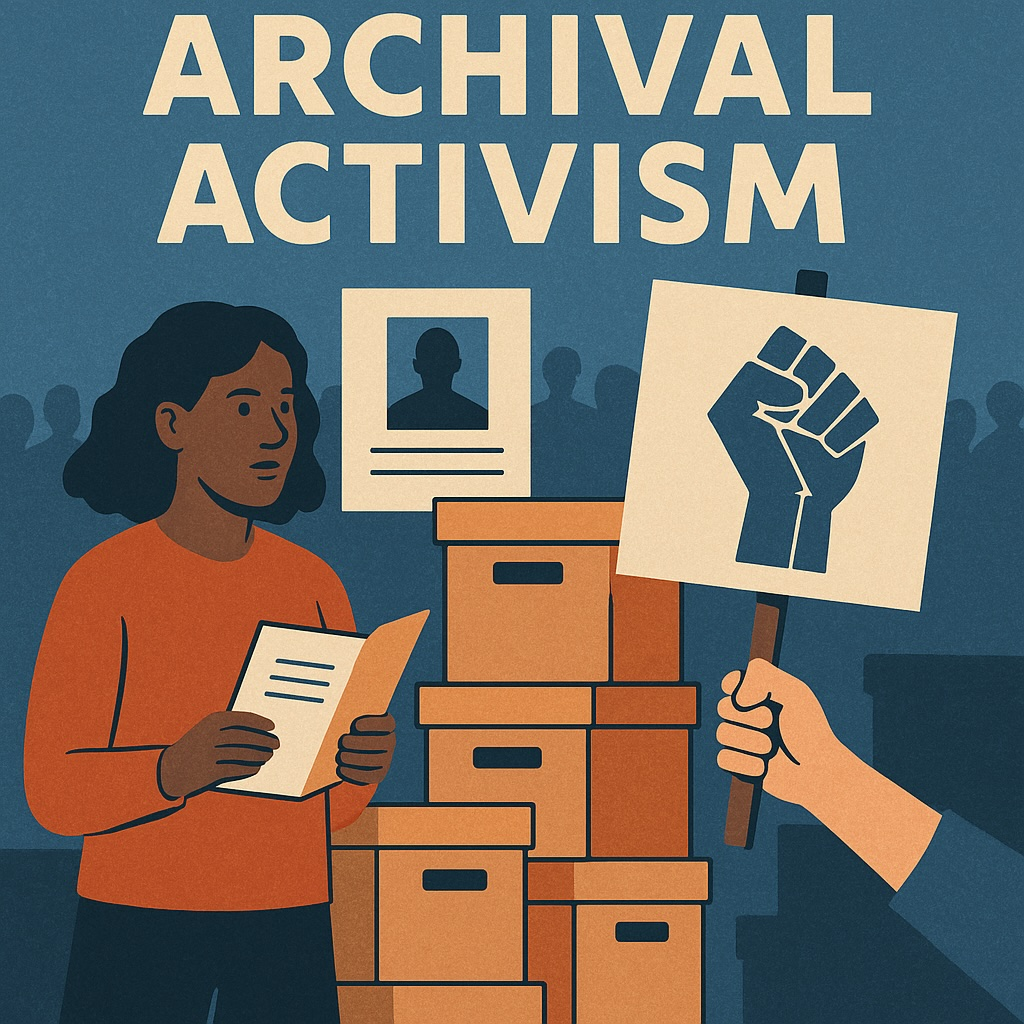
    Archival activism refers to the practice of preserving, organising, and presenting historical archives—not merely as a method of documentation, but as a means of promoting social justice and human rights. It is therefore both a means and an end. This form of activism seeks to bring to light overlooked histories, silenced voices, and deliberately forgotten stories, thereby fostering social reflection and transformation.

    The technological principles of Web3—freedom, immutability, and decentralisation—are closely aligned with the goals of archival activism. Its emphasis on open access allows anyone to participate in the preservation and sharing of archives. Immutability ensures that the content of archives cannot be tampered with, thereby safeguarding the authenticity of historical records. The decentralised nature of Web3 enables archives to resist censorship and political interference, maintaining informational integrity and transparency. These features make archival efforts more democratic, allowing anyone to take part in the preservation and dissemination of information.

    Web3’s decentralised nature also helps archival activism resist political interference and the erosion of records over time. Traditional archiving methods are often under institutional or governmental control, making them vulnerable to censorship or destruction. By leveraging decentralised technology, data can be distributed across multiple nodes, ensuring that even if some are attacked or deleted, others continue to preserve and transmit the information. This anti-fragilityguarantees the long-term survival of archives and protects them against external pressures.

    The integration of archival activism and Web3 democratises the processes of archiving, sharing, and accessing information. Through these emerging technologies, individuals and communities can freely preserve and share their own stories without reliance on central authorities to decide what records merit preservation. This democratisation marks not only a technological advancement but a cultural and social one, supporting the movement towards a more inclusive and just future.

    Read more: Web3-backed Digital Archiving: User Guide For Beginners (Chinese Only)

    檔案行動主義與web3

    檔案行動主義是一種關注保存、整理和呈現歷史檔案的行動,它不僅僅是保存資料,更是通過這些檔案來推動社會正義和人權。因此,檔案行動主義既是一種手段(means),也是一種目的(end)。這種行動力求讓那些被忽視的歷史、被壓抑的聲音以及被刻意遺忘的故事得以重見天日,從而促進社會的反思和變革。

    Web3 的技術理念,包括自由、不可變性和去中心化,與檔案行動主義的目標高度契合。自由存取的特性使得任何人都可以參與檔案的保存和共享;不可變性則確保了檔案內容不會被隨意修改,從而保留了真實的歷史記錄;而去中心化的結構使得這些檔案可以抵抗審查和政治干預,保持信息的完整和透明度。這些特性使得檔案行動變得更加民主化,任何人都可以參與到資料的保存與傳播之中。

    Web3 的去中心化特性也幫助檔案行動主義抵抗政治干預和時間的侵蝕。傳統的檔案保存方式往往受到政府或機構的控制,容易遭到審查或毀壞。而通過去中心化技術,這些檔案可以被分散存儲在多個節點上,即使某些節點遭到攻擊或被刪除,其他節點仍然可以保留並傳遞這些信息。這種抗脆弱性保證了檔案的長期存續,並且能夠對抗來自外界的壓力。

    檔案行動主義與 Web3 的結合,讓檔案的保存、分享和存取變得更加民主化。通過這種新技術,個人和社群能夠更自由地保存和共享自己的故事,不再依賴於某個中央權威來決定哪些記錄可以被保存。這樣的民主化不僅是技術的進步,更是社會文化的進步,推動了一個更包容、更公正的未來。

    閱讀更多:《「無大台」式資料記錄:Web3檔案保存入門手冊》

  • RIL Newsletter #2025-6

    RIL Newsletter #2025-6

    Welcome to Resilience Innovation Lab (RIL) ! In this newsletter, we will discuss the relationship between “archival activism” and web3, and share our latest reports and events in London, UK.

    Report Launch: Safeguarding Freedom of Information in Hong Kong

    Resilience Innovation Lab is pleased to launch a new report,”Safeguarding Freedom of Information in Hong Kong: Challenges, Opportunities and Remedies”. This report explores the current state of information freedom in Hong Kong, the challenges faced, and the path forward in ensuring an open and informed society.

    Our report was covered by a number of media outlets including Udn.com, Radio France Internationale, Photon Media, Points Media, Radio Free Asia and Chaser News.

    Download the Chinese version of the report here.

    Download the English version of the report here.

    Archival Activism and Web3

    Archival activism refers to the practice of preserving, organising, and presenting historical archives—not merely as a method of documentation, but as a means of promoting social justice and human rights. It is therefore both a means and an end. This form of activism seeks to bring to light overlooked histories, silenced voices, and deliberately forgotten stories, thereby fostering social reflection and transformation.

    The technological principles of Web3—freedom, immutability, and decentralisation—are closely aligned with the goals of archival activism. Its emphasis on open access allows anyone to participate in the preservation and sharing of archives. Immutability ensures that the content of archives cannot be tampered with, thereby safeguarding the authenticity of historical records. The decentralised nature of Web3 enables archives to resist censorship and political interference, maintaining informational integrity and transparency. These features make archival efforts more democratic, allowing anyone to take part in the preservation and dissemination of information.

    Web3’s decentralised nature also helps archival activism resist political interference and the erosion of records over time. Traditional archiving methods are often under institutional or governmental control, making them vulnerable to censorship or destruction. By leveraging decentralised technology, data can be distributed across multiple nodes, ensuring that even if some are attacked or deleted, others continue to preserve and transmit the information. This anti-fragilityguarantees the long-term survival of archives and protects them against external pressures.

    The integration of archival activism and Web3 democratises the processes of archiving, sharing, and accessing information. Through these emerging technologies, individuals and communities can freely preserve and share their own stories without reliance on central authorities to decide what records merit preservation. This democratisation marks not only a technological advancement but a cultural and social one, supporting the movement towards a more inclusive and just future.

    Read more: Web3-backed Digital Archiving: User Guide For Beginners (Chinese Only)

    Archival Activism and Advocacy –

    The Berkeley Protocol

    The Berkeley Protocol on Digital Open Source Investigations (The Protocol) is a pioneering initiative aimed at standardising the use of open-source information in investigations into human rights abuses and war crimes. Developed by the Human Rights Center at the University of California, Berkeley, it represents a significant step forward in the ethical and legal use of open-source intelligence (OSINT), including content collected from social media posts, videos, and other publicly accessible online sources. This framework is essential for helping investigators collect, verify, and present evidence in a way that meets international legal standards—an essential process for holding perpetrators of human rights violations accountable.

    The Protocol addresses the challenges and complexities of verifying visual content—such as photographs and videos—to ensure authenticity and reliability. In crisis situations, digital evidence captured by ordinary citizens on smartphones can be highly impactful—provided it is properly verified. The Protocol outlines procedures for confirming the source, location, and timing of such content, ensuring it can be effectively used in legal proceedings. Methods such as geolocation and chronolocation help prevent the spread of misinformation and strengthen the credibility of evidence used in human rights investigations.

    Blockchain technology has the potential to complement the Berkeley Protocol by offering a secure and tamper-proof platform for archiving crucial open-source data. In the context of archival activism, blockchain can be used to safeguard sensitive information collected during human rights investigations. Its decentralised nature ensures that once data is recorded, it cannot be altered or deleted without consensus—preserving the integrity of evidence. This is particularly valuable in documenting war crimes or human rights abuses, where the risk of evidence being tampered with or destroyed by malicious actors is high.

    The goal of archival activism is to preserve vital information that might otherwise be lost or suppressed. Blockchain offers a powerful solution to this challenge. By storing open-source evidence on blockchain networks, activists and investigators can ensure that information remains accessible and unaltered—even in the face of efforts by authoritarian regimes or other actors to suppress it. This decentralised archiving approach aligns with the principles of the Berkeley Protocol, which emphasises reliability and transparency in the collection and use of open-source data.

    The use of blockchain in human rights investigations also fosters greater collaboration among activists, legal professionals, and researchers. The technology’s transparency and decentralisation enable multiple parties to access and verify evidence without requiring a central authority, enhancing trust and cooperation in the investigative process. This is particularly significant in international contexts, where organisations may collaborate to document and prosecute human rights violations. By offering a shared, tamper-proof evidence ledger, blockchain enhances the credibility of collected information and supports the aims of the Protocol.

    Moreover, blockchain can help address a major challenge identified by the Protocol: the fleeting nature of digital content. Social media platforms often remove content deemed too violent or in violation of policies, risking the loss of critical evidence. By archiving such material on the blockchain, investigators can ensure that vital information is preserved even after removal from online platforms. This helps maintain a complete record of events and ensures the voices of those affected by human rights violations are not silenced.

    The Protocol also highlights ethical considerations in the collection and use of open-source data. Blockchain’s inherent transparency can address some of these concerns by providing a clear chain of custody for digital evidence. This means that the origin and handling of each piece of evidence can be traced, ensuring it has not been tampered with and that its use adheres to ethical standards. Such accountability is crucial in high-risk human rights investigations, where the consequences of using unreliable evidence can be severe.

    Beyond archiving and verification, blockchain also has a role to play in human rights advocacy, drawing public attention to abuses. By creating a permanent and publicly accessible record of evidence, blockchain can amplify the stories of victims and raise international awareness of ongoing crises. This aligns with the goals of the Protocol—not only to support legal accountability but also to increase public recognition of human rights violations and promote social justice. Blockchain platforms can be used to share verified evidence with the public, journalists, and advocacy organisations, ensuring that truth is not buried and that responsible parties are held accountable.

    The integration of the Protocol’s open-source investigation guidelines with blockchain’s secure archiving and transparency capabilities creates a powerful toolset for safeguarding open-source data and supporting human rights advocacy. By ensuring that evidence is both credible and accessible, this approach strengthens the case against violators and supports efforts to seek justice for victims. In this context, blockchain enhances the integrity of evidence and empowers activists and investigators to continue their work in the face of adversity.

    In conclusion, the Protocol provides a much-needed framework for the ethical and effective use of open-source information in human rights investigations. By incorporating blockchain technology into this process, archival activists can ensure that key evidence is preserved, protected, and used to promote accountability and justice. This innovative approach to archival activism holds the potential to transform the field of human rights investigation, offering new tools and methodologies for documenting abuses and advocating for change.

    Event Invitation: “Ways of Remembering”

    Resilience Innovation Lab is pleased to collaborate with Hong Kong Action Archives for the following exhibition event: Ways of Remembering.

    This exhibition brings together artefacts, personal stories, and collective memories from Hong Kong’s social movements over the past decades. Alongside these, we’re shedding light on projects that employ archiving as a means of resistance.

    ​

    More than just a look at Hong Kong, this exhibition is an invitation for anyone interested in the act of collecting, remembering, and the ways in which history is written. It’s for anyone who wants to explore how our voices — and the voices of our communities — are shaped by the currents of time and information.

    𝙁𝙤𝙡𝙡𝙤𝙬 𝙖𝙡𝙤𝙣𝙜 𝙖𝙨 𝙬𝙚 𝙧𝙚𝙫𝙚𝙖𝙡 𝙬𝙝𝙖𝙩’𝙨 𝙞𝙣 𝙩𝙝𝙚 𝙚𝙭𝙝𝙞𝙗𝙞𝙩𝙞𝙤𝙣.

    𓂃𓂃𓂃𓂃𓂃𓂃𓂃𓂃𓂃

    𝚆𝙰𝚈𝚂 𝙾𝙵 𝚁𝙴𝙼𝙴𝙼𝙱𝙴𝚁𝙸𝙽𝙶

    ✧ *:・゚記憶對視 *:・゚✧

    ● 𝟷𝟽 → 𝟸𝟼 𝙼𝚊𝚢 𝟸𝟶𝟸𝟻

    ● 𝙰𝚛𝚌𝚑 𝟺𝟶𝟸 𝙲𝚛𝚎𝚖𝚎𝚛 𝚂𝚝,

    𝙻𝚘𝚗𝚍𝚘𝚗 𝙴𝟸 𝟾𝙷𝙳, 𝚄𝙺

    𝙻𝚎𝚝’𝚜 𝚝𝚊𝚕𝚔 𝚊𝚋𝚘𝚞𝚝

    𝚖𝚎𝚖𝚘𝚛𝚢,

    𝚊𝚌𝚝𝚒𝚟𝚒𝚜𝚖,

    𝚊𝚗𝚍 𝙷𝚘𝚗𝚐 𝙺𝚘𝚗𝚐.

    Presented and curated by Hong Kong Action Archives, in collaboration with Amnesty International, Resilience Innovation Lab, and The Rights Practice.

    Eventbrite Event Details: Click here .

    #WaysOfRemembering2025

    #HKAAinUK

    Useful Resources

    Judicial Records in Hong Kong * has made every effort to collect court decisions related to the Anti-Extradition Bill Movement for educational and research purposes. These records are still accessible on the website of Hong Kong’s judiciary, but their continued availability to the public in the future remains uncertain. All judicial records collected and displayed here are secured and maintained using blockchain technology, through which they are decentralized and immutable, ensuring transparency, tamper-resistance, and trust in the integrity of the data. Our goal is to utilize blockchain as a form of censorship resistance to preserve invaluable public records. If there are any omissions in this database, please feel free to notify RIL’s research team: info.dap@protonmail.com .

    China Open Courts * aims to preserve and provide public access to judicial records from the People’s Republic of China that are at risk of disappearing from official sources. Below is an overview of the methodology adopted in this project, including our data collection strategies, scope of coverage, and plans for ensuring continued accuracy and relevance of the information. Interested parties are welcome to reach out to our team at chinaopencourts@protonmail.com for further information, collaboration opportunities, or suggestions on additional keywords and topics to include.

    *To protect your identity and personal information, you are advised to use these online resources with an encrypted device and VPN.

    An Unbreakable Wall? Challenges and Opportunities of Defending Freedom of Information in China is RIL’s first research report on information environment in China. This report provides a comprehensive account of China’s information environment under the rule of the CCP. Drawing on evidence-based insights from multiple perspectives, the report seeks to inform a broad range of stakeholders—from policymakers and international businesses to civil society organisations and academic institutions—and encourages collaborative efforts to address the challenges posed by China’s information landscape and its impact on global information networks. The full report is now available on our website.

    Who we are?

    Resilience Innovation Lab (RIL) was founded by Asian veteran researchers and human rights defenders in 2023. RIL is a virtual platform promoting innovation, experimentation, and the exchange of research and educational initiatives that aim to develop and strengthen the democratic and digital resilience of organisations and individuals working in repressive environments.

    RIL envisions a synergy of democracy, technology and civil society resilience today, especially when authoritarianism emerges as a common threat to liberal democracies and open societies. Building the capacities of citizens and civil groups to respond to such a new environment with creative and innovative instruments is of paramount importance for their sustainable development.

    Our work focuses on researching Web3 technology, digital preservation of collective memory and history in conflict and post-conflict areas, and resilience of rule of law institutions and cultures in non-democratic regimes.

  • RIL Newsletter #2025-5

    RIL Newsletter #2025-5

    Welcome to Resilience Innovation Lab (RIL)! In this newsletter, we will officially launch our first research report on the state of Hong Kong’s information freedom, and announce a RIL-supported exhibition in London, UK.

    Report Launch: Safeguarding Freedom of Information in Hong Kong

    Resilience Innovation Lab is pleased to launch a new report,”Safeguarding Freedom of Information in Hong Kong: Challenges, Opportunities and Remedies”.  Both Chinese and English versions of the full report are now available online.

    Download the Chinese version of the report here.

    Download the English version of the report here.

    Freedom of information is a cornerstone of democracy and good governance, enabling transparency, accountability, and public trust. In Hong Kong, information access has been increasingly restricted, particularly following the enactment of the Hong Kong National Security Law (HKNSL) in 2020 and the Safeguarding National Security Ordinance (SNSO) in 2024. These measures have significantly curtailed press freedom, civil society oversight, and public access to government data, diverging from international human rights standards.

    The increasing criminalisation of information access in Hong Kong has led to weakened transparency, press suppression, and reduced corporate data availability. The impact extends beyond journalists to businesses, researchers, and international organizations. Legal reforms, stronger civil society engagement, and international accountability measures are necessary to restore freedom of information and Hong Kong’s reputation as a global financial and information hub.

    Against this background, this report explores the current state of information freedom in Hong Kong, the challenges faced, and the path forward in ensuring an open and informed society. Key findings and remedies are provided as follows:

    Key Findings

    •       Legal and institutional barriers: Hong Kong lacks both an Archive Law and a Freedom of Information Law, leading to government opacity and arbitrary record destruction.

    •       Press freedom erosion: Journalists face censorship, visa denials, harassment, and arrests, resulting in self-censorship and media retreat from Hong Kong.

    •       State control over information supply chain: The government has increased public data removal, rejected information requests, and imposed court injunctions to suppress access to critical information.

    •       Legal repercussions for information access: Ambiguous definitions of “state secrets” and “espionage” in the SNSO expose researchers, businesses, and journalists to potential prosecution.

    •       International business and investment risks: Restrictions on financial data transparency and extraterritorial application of security laws undermine Hong Kong’s attractiveness as an international business hub.

    Remedies

    For the Legal System:

    •       Enact Archive Law and Freedom of Information Law in compliance with ICCPR and international best practices.

    •       Reverse court decisions that restrict free access to information, including the ban on the protest song Glory to Hong Kong.

    For the Executive Government:

    •       Cease enforcing censorship policies, information removals, and national security laws that restrict information access.

    •       Implement UN recommendations to repeal or amend the HKNSL and SNSO to align with international human rights obligations.

    •       Protect journalists, researchers, and civil society members from harassment and legal intimidation.

    •       Improve existing legal and regulatory frameworks in light of latest UN standards and principles on access to information

    For Business Corporations, Chambers & Investors:

    •       Advocate for clear definitions of state secrets to ensure market transparency.

    •       Strengthen corporate policies against compliance with excessive government data requests.

    •       Maintain transparency reports on information requests from the Hong Kong authorities.

    For Civil Society:

    •       Strengthen networks of support for Hong-Kong-based journalists and researchers.

    •       Utilize censorship-resistant technologies (e.g., blockchain, IPFS) to safeguard public data and digital archives.

    •       Provide adequate resources and trainings to groups that sustain and contribute to the information supply chain in Hong Kong

    For International Organizations:

    •       UN agencies and human rights bodies should monitor and report on the state of information access in Hong Kong.

    •       Strengthen international diplomatic pressure on China and Hong Kong to uphold information integrity and human rights.

    Freedom of Information in China

    Resilience Innovation Lab (RIL) is pleased to launch its inaugural research report, titled An Unbreakable Wall? Challenges and Opportunities of Defending Freedom of Information in China. The full report is now available online.

    Over the past decade, China’s information environment has deteriorated markedly due to increasing state control over digital communications. Notable escalations in censorship and surveillance have coincided with key events, including the 2019 Hong Kong protests, the COVID-19 pandemic in 2020, and the White Paper Movement in 2022. The Chinese Communist Party (CCP) has systematically tightened its grip on cyberspace, driven by concerns over foreign ideological influence and the safeguarding of domestic regime security.

    Businesses—particularly multinational corporations—face growing risks as China’s digital environment becomes ever more restrictive. Due diligence operations have been significantly hindered, with organisations subjected to raids, exit bans, informal government warnings, and limited access to essential corporate information databases. Civil society organisations, journalists, and academics face similar constraints, including routine surveillance, censorship, and major operational disruptions. Academic freedom, journalistic independence, and civic activism continue to be challenged by ambiguous legal frameworks, intensified surveillance, and direct threats from state authorities.

    This report provides a comprehensive account of China’s information environment under the rule of the CCP, with a particular focus on developments since President Xi Jinping’s ascent to power. It offers a critical analysis of how systematic, state-led efforts to control and manipulate information are affecting various sectors of society—including the information supply chain, public access to information, and the operating conditions of businesses (especially within the due diligence sector), civil society groups, journalists, and academics engaged with China. Drawing on evidence-based insights from multiple perspectives, the report seeks to inform a broad range of stakeholders—from policymakers and international businesses to civil society organisations and academic institutions—and encourages collaborative efforts to address the challenges posed by China’s information landscape and its impact on global information networks.

    Resilience Innovation Lab gratefully acknowledges the invaluable contributions of several anonymous individuals and interviewees who chose not to reveal their identities for safety and security reasons. Their courage and insight have greatly enriched the depth and authenticity of this report. We sincerely hope that, in the near future, contributors and researchers will no longer feel compelled to hide their identities, but will instead be free to participate openly in the pursuit of a free, transparent, and open society in China.

    Download the full report here.

    Event Invitation: “Ways of Remembering”

    Resilience Innovation Lab is pleased to collaborate with Hong Kong Action Archives for the following exhibition event:

    This exhibition brings together artefacts, personal stories, and collective memories from Hong Kong’s social movements over the past decades. Alongside these, we’re shedding light on projects that employ archiving as a means of resistance.

    ​

    More than just a look at Hong Kong, this exhibition is an invitation for anyone interested in the act of collecting, remembering, and the ways in which history is written. It’s for anyone who wants to explore how our voices — and the voices of our communities — are shaped by the currents of time and information.

    𝙁𝙤𝙡𝙡𝙤𝙬 𝙖𝙡𝙤𝙣𝙜 𝙖𝙨 𝙬𝙚 𝙧𝙚𝙫𝙚𝙖𝙡 𝙬𝙝𝙖𝙩’𝙨 𝙞𝙣 𝙩𝙝𝙚 𝙚𝙭𝙝𝙞𝙗𝙞𝙩𝙞𝙤𝙣.

    𓂃𓂃𓂃𓂃𓂃𓂃𓂃𓂃𓂃

    𝚆𝙰𝚈𝚂 𝙾𝙵 𝚁𝙴𝙼𝙴𝙼𝙱𝙴𝚁𝙸𝙽𝙶

    ✧ *:・゚記憶對視 *:・゚✧

    ● 𝟷𝟽 → 𝟸𝟼 𝙼𝚊𝚢 𝟸𝟶𝟸𝟻

    ● 𝙰𝚛𝚌𝚑 𝟺𝟶𝟸 𝙲𝚛𝚎𝚖𝚎𝚛 𝚂𝚝,

    𝙻𝚘𝚗𝚍𝚘𝚗 𝙴𝟸 𝟾𝙷𝙳, 𝚄𝙺

    𝙻𝚎𝚝’𝚜 𝚝𝚊𝚕𝚔 𝚊𝚋𝚘𝚞𝚝

    𝚖𝚎𝚖𝚘𝚛𝚢,

    𝚊𝚌𝚝𝚒𝚟𝚒𝚜𝚖,

    𝚊𝚗𝚍 𝙷𝚘𝚗𝚐 𝙺𝚘𝚗𝚐.

    Presented and curated by Hong Kong Action Archives, in collaboration with Amnesty International, Resilience Innovation Lab, and The Rights Practice.

    #WaysOfRemembering2025

    #HKAAinUK

    Useful Resources

    Judicial Records in Hong Kong has made every effort to collect court decisions related to the Anti-Extradition Bill Movement for educational and research purposes. These records are still accessible on the website of Hong Kong’s judiciary, but their continued availability to the public in the future remains uncertain. All judicial records collected and displayed here are secured and maintained using blockchain technology, through which they are decentralized and immutable, ensuring transparency, tamper-resistance, and trust in the integrity of the data. Our goal is to utilize blockchain as a form of censorship resistance to preserve invaluable public records. If there are any omissions in this database, please feel free to notify RIL’s research team: info.dap@protonmail.com .

    China Open Courts aims to preserve and provide public access to judicial records from the People’s Republic of China that are at risk of disappearing from official sources. Below is an overview of the methodology adopted in this project, including our data collection strategies, scope of coverage, and plans for ensuring continued accuracy and relevance of the information. Interested parties are welcome to reach out to our team at chinaopencourts@protonmail.com for further information, collaboration opportunities, or suggestions on additional keywords and topics to include.

    To protect your identity and personal information, you are advised to use these online resources with an encrypted device and VPN.

    Who we are?

    Resilience Innovation Lab (RIL) was founded by Asian veteran researchers and human rights defenders in 2023. RIL is a virtual platform promoting innovation, experimentation, and the exchange of research and educational initiatives that aim to develop and strengthen the democratic and digital resilience of organisations and individuals working in repressive environments.

    RIL envisions a synergy of democracy, technology and civil society resilience today, especially when authoritarianism emerges as a common threat to liberal democracies and open societies. Building the capacities of citizens and civil groups to respond to such a new environment with creative and innovative instruments is of paramount importance for their sustainable development.

    Our work focuses on researching Web3 technology, digital preservation of collective memory and history in conflict and post-conflict areas, and resilience of rule of law institutions and cultures in non-democratic regimes.

  • Report Launch: Safeguarding Freedom of Information in Hong Kong |研究報告:維護香港的資訊自由

    Report Launch: Safeguarding Freedom of Information in Hong Kong |研究報告:維護香港的資訊自由

    Resilience Innovation Lab is pleased to launch a new report, ”Safeguarding Freedom of Information in Hong Kong: Challenges, Opportunities and Remedies”. Both Chinese and English versions of the full report are now available online.

    Download the Chinese version of the report here.

    Download the English version of the report here.

    Freedom of information is a cornerstone of democracy and good governance, enabling transparency, accountability, and public trust. In Hong Kong, information access has been increasingly restricted, particularly following the enactment of the Hong Kong National Security Law (HKNSL) in 2020 and the Safeguarding National Security Ordinance (SNSO) in 2024. These measures have significantly curtailed press freedom, civil society oversight, and public access to government data, diverging from international human rights standards.

    The increasing criminalisation of information access in Hong Kong has led to weakened transparency, press suppression, and reduced corporate data availability. The impact extends beyond journalists to businesses, researchers, and international organizations. Legal reforms, stronger civil society engagement, and international accountability measures are necessary to restore freedom of information and Hong Kong’s reputation as a global financial and information hub.

    Against this background, this report explores the current state of information freedom in Hong Kong, the challenges faced, and the path forward in ensuring an open and informed society. Key findings and remedies are provided as follows:

    Key Findings

    • Legal and institutional barriers: Hong Kong lacks both an Archive Law and a Freedom of Information Law, leading to government opacity and arbitrary record destruction.
    • Press freedom erosion: Journalists face censorship, visa denials, harassment, and arrests, resulting in self-censorship and media retreat from Hong Kong.
    • State control over information supply chain: The government has increased public data removal, rejected information requests, and imposed court injunctions to suppress access to critical information.
    • Legal repercussions for information access: Ambiguous definitions of “state secrets” and “espionage” in the SNSO expose researchers, businesses, and journalists to potential prosecution.
    • International business and investment risks: Restrictions on financial data transparency and extraterritorial application of security laws undermine Hong Kong’s attractiveness as an international business hub.

    Remedies

    For the Legal System:

    • Enact Archive Law and Freedom of Information Law in compliance with ICCPR and international best practices.
    • Reverse court decisions that restrict free access to information, including the ban on the protest song Glory to Hong Kong.

    For the Executive Government:

    • Cease enforcing censorship policies, information removals, and national security laws that restrict information access.
    • Implement UN recommendations to repeal or amend the HKNSL and SNSO to align with international human rights obligations.
    • Protect journalists, researchers, and civil society members from harassment and legal intimidation.
    • Improve existing legal and regulatory frameworks in light of latest UN standards and principles on access to information

    For Business Corporations, Chambers & Investors:

    • Advocate for clear definitions of state secrets to ensure market transparency.
    • Strengthen corporate policies against compliance with excessive government data requests.
    • Maintain transparency reports on information requests from the Hong Kong authorities.

    For Civil Society:

    • Strengthen networks of support for Hong-Kong-based journalists and researchers.
    • Utilize censorship-resistant technologies (e.g., blockchain, IPFS) to safeguard public data and digital archives.
    • Provide adequate resources and trainings to groups that sustain and contribute to the information supply chain in Hong Kong

    For International Organizations:

    • UN agencies and human rights bodies should monitor and report on the state of information access in Hong Kong.
    • Strengthen international diplomatic pressure on China and Hong Kong to uphold information integrity and human rights.

    韌性創新實驗室(Resilience Innovation Lab, RIL)很高興正式發佈研究報告,標題為《維護香港資訊自由:挑戰、機會與出路》。中文版及英文版的完整報告現已上線:

    報告全文(中文版):按此下載

    報告全文(英文版):按此下載

    資訊自由乃民主與良治之基石,促進透明度、問責及公眾信任。自2020年《港區國安法》(HKNSL)及2024年《維護國家安全條例》(SNSO)實施以來,香港的資訊存取空間明顯受限。這些措施嚴重限制了香港的新聞自由和公民社會監督政府的功能,鼓勵政府隱沒本可開源的公共數據,偏離國際人權標準。資訊存取和傳播日益刑事化,導致政府透明度下降、媒體被壓制及降低企業數據可獲性,影響波及記者、商界、研究人員及國際組織。

    香港資訊自由的退步反映透明度、問責及開放治理的廣泛倒退。當局必須進行法律改革,增強行政與立法透明度;商業界與國際社會亦應共同努力維護香港資訊自由及言論自由,以恢復並保障香港的長期穩定、經濟競爭力及全球地位;關注香港的持份者務須增強公民社會參與及加強國際問責,以恢復香港資訊自由和其國際金融及資訊樞紐的聲譽。

    本報告的主要論點和論據如下:

    1. 法律及制度障礙:香港缺乏檔案法及資訊自由法,導致政府不透明及任意銷毀紀錄。
    2. 新聞自由受侵蝕:記者面臨審查、簽證被拒、騷擾及逮捕,導致自我審查及媒體撤出香港。
    3. 國家對資訊供應鏈的控制:政府增加數據移除、拒絕資訊要求,並透過法院禁制令壓制重要資訊的存取。
    4. 存取及傳播資訊的法律後果:《維護國家安全條例》對「國家機密」及「間諜活動」的模糊定義,使研究人員、商界及記者面臨潛在起訴。
    5. 國際商業及投資風險:金融數據透明度的限制及安全法例的域外應用威脅香港作為國際商業中心的吸引力。

    補救措施:

    1. 法律制度:制訂符合國際標準的檔案法及資訊自由法;終審法院撤銷(推翻?)限制資訊自由的法庭裁決。
    2. 行政當局:停止審查政策及移除公共資訊;執行聯合國建議,修改或廢除違反國際人權義務的國家安全法例。
    3. 商界、商會及投資者:倡議清晰定義國家機密;強化企業政策,抵制政府過度的數據要求;定期發布有關政府資訊要求的「透明度報告」。
    4. 公民社會:加強對香港記者及研究人員的支援網絡;採用抗審查技術保障公共數據及數位檔案。
    5. 國際組織:聯合國應監察及報告香港資訊自由情況;加強對中國及香港的外交壓力,保障資訊完整性與人權。

    報告全文(中文版):按此下載

    報告全文(英文版):按此下載

  • Event Invitation: “Ways of Remembering” |【活動邀請】記憶對視:香港社會運動展覽

    Event Invitation: “Ways of Remembering” |【活動邀請】記憶對視:香港社會運動展覽

    Resilience Innovation Lab is pleased to collaborate with Hong Kong Action Archives for the following exhibition event:

    This exhibition brings together artefacts, personal stories, and collective memories from Hong Kong’s social movements over the past decades. Alongside these, we’re shedding light on projects that employ archiving as a means of resistance.

    More than just a look at Hong Kong, this exhibition is an invitation for anyone interested in the act of collecting, remembering, and the ways in which history is written. It’s for anyone who wants to explore how our voices — and the voices of our communities — are shaped by the currents of time and information.

    𝙁𝙤𝙡𝙡𝙤𝙬 𝙖𝙡𝙤𝙣𝙜 𝙖𝙨 𝙬𝙚 𝙧𝙚𝙫𝙚𝙖𝙡 𝙬𝙝𝙖𝙩’𝙨 𝙞𝙣 𝙩𝙝𝙚 𝙚𝙭𝙝𝙞𝙗𝙞𝙩𝙞𝙤𝙣.

    𓂃𓂃𓂃𓂃𓂃𓂃𓂃𓂃𓂃

    𝚆𝙰𝚈𝚂 𝙾𝙵 𝚁𝙴𝙼𝙴𝙼𝙱𝙴𝚁𝙸𝙽𝙶

    ✧ *:・゚記憶對視 *:・゚✧

    ● 𝟷𝟽 → 𝟸𝟼 𝙼𝚊𝚢 𝟸𝟶𝟸𝟻

    ● 𝙰𝚛𝚌𝚑 𝟺𝟶𝟸 𝙲𝚛𝚎𝚖𝚎𝚛 𝚂𝚝,

    𝙻𝚘𝚗𝚍𝚘𝚗 𝙴𝟸 𝟾𝙷𝙳, 𝚄𝙺

    𝙻𝚎𝚝’𝚜 𝚝𝚊𝚕𝚔 𝚊𝚋𝚘𝚞𝚝

    𝚖𝚎𝚖𝚘𝚛𝚢,

    𝚊𝚌𝚝𝚒𝚟𝚒𝚜𝚖,

    𝚊𝚗𝚍 𝙷𝚘𝚗𝚐 𝙺𝚘𝚗𝚐.

    𓂃𓂃𓂃𓂃𓂃𓂃𓂃𓂃𓂃

    Presented and curated by Hong Kong Action Archives, in collaboration with Amnesty International, Resilience Innovation Lab, and The Rights Practice.

    韌性創新實驗室在今年五月,將會和香港行動文獻庫合辦以下展覽:

    今年五月,我們將來到倫敦,帶來一場關於香港社會運動的展覽。

    《記憶對視》將展出一系列文物、個人故事與集體記憶,回望這些年來我們所走過的路,同時探索記憶與行動之間的連結。

    展覽以香港為起點,帶出對歷史記錄與書寫的叩問。在時間與資訊的洪流中,我們要記住什麼?為誰記住?又該如何記住?

    我們思索過去,也面向未來。希望透過分享多個以檔案作為抵抗方式的計劃,一起發掘更多對行動的想像。

    不論你來自哪裡,願你在這裡找到與自己、與他人記憶對話的空間。

    主辦:香港行動文獻庫

    合作單位:韌性創新實驗室、國際特赦組織、瑞慈人權合作中心

    #WaysOfRemembering2025

    #HKAAinUK